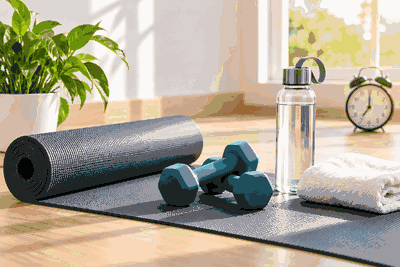
Whether you're a beginner, student, busy professional, or someone returning to exercise after a long break, home workouts allow you to train according to your schedule. You don't need advanced fitness equipment or a large exercise room to get started. A little planning and a few basic movements can help you develop strength, endurance, and confidence.
The real challenge is creating a workout routine that delivers progress while remaining sustainable. Some people begin with extremely difficult exercises and quickly lose motivation. Others repeat random movements without following a structured plan. An effective home workout routine avoids these problems by combining strength training, cardiovascular exercise, flexibility, and recovery into a balanced program.
According to the World Health Organization, adults should aim for 150–300 minutes of moderate-intensity aerobic activity per week, or 75–150 minutes of vigorous activity, alongside muscle-strengthening exercises on at least two days. Beginners can work gradually toward these targets by starting with shorter, manageable workouts.
Benefits of Exercising at Home
One of the biggest advantages of exercising at home is convenience. You don't need to travel to a gym, wait for equipment, or organize your entire day around a workout. You can exercise early in the morning, during a lunch break, or after finishing work. This flexibility can make regular physical activity easier to maintain, especially when your daily schedule is unpredictable.
Home workouts are also affordable. Bodyweight exercises such as squats, push-ups, lunges, and planks require little or no equipment. You can gradually introduce resistance bands or dumbbells as your fitness improves, but expensive machines are not essential. Your body provides enough resistance for many effective beginner exercises, particularly when you focus on proper technique and progressive improvement.
Privacy is another important benefit. Some beginners feel uncomfortable exercising in crowded fitness centers, especially when learning unfamiliar movements. At home, you can practice exercises at your own pace, pause whenever necessary, and build confidence without unnecessary pressure. Regular physical activity can also support cardiovascular health, sleep, mental well-being, muscular strength, and daily energy levels.
Set Clear and Realistic Fitness Goals
Before beginning a home workout routine, identify what you want to achieve. Your goals might include improving endurance, building muscle, increasing flexibility, supporting healthy weight management, or becoming more active. Each goal influences the exercises you select and the way you organize your training. Someone focused on muscular strength may prioritize resistance exercises, while someone interested in cardiovascular endurance may include more brisk walking, marching, and aerobic circuits.
Realistic goals are especially important for beginners. Instead of expecting dramatic changes in a few days, focus on improvements that you can measure over several weeks. Completing three workouts each week, increasing your push-up repetitions, or walking for longer periods are practical examples. These achievements can provide motivation while helping you develop habits that last.
Identify Your Current Fitness Level
Your current fitness level determines where your workout program should begin. If you have been inactive for several months, starting with intense daily workouts may cause excessive fatigue and discomfort. Begin by assessing how comfortably you can walk, perform controlled squats, or complete a few wall push-ups. These simple activities help you understand your starting abilities without requiring specialized testing.
Choose exercises that allow you to maintain proper form throughout each repetition. Beginners can use chair squats, wall push-ups, and short walking sessions before progressing to more demanding variations. If you already have exercise experience, you may be comfortable adding resistance, extra sets, or more challenging movements. People with medical concerns or significant physical limitations should seek appropriate professional guidance before beginning strenuous exercise.
Choose Goals You Can Measure
Measurable goals make it easier to evaluate your progress. For example, you might aim to improve from eight controlled chair squats to twelve bodyweight squats, or gradually increase your walking duration from ten to twenty minutes. These goals focus on practical improvements rather than unrealistic expectations. You can record your repetitions, workout duration, resistance level, and perceived difficulty to monitor changes over time.
Consider setting short-term and long-term goals. Your short-term goal might involve completing every planned workout this week, while your long-term goal could involve developing better strength and endurance over three months. Progress may not be identical every week, and occasional setbacks are normal. What matters is maintaining a consistent routine and adjusting your plan when necessary.
Design Your Home Workout Space
You don't need a dedicated home gym to exercise effectively. A small, clean area with enough space to move your arms and legs comfortably is often sufficient. Choose a location with a stable floor and remove furniture or objects that could cause you to trip. An exercise mat may improve comfort during floor exercises, while good ventilation and adequate lighting can make your workout environment more pleasant.
Keep your workout essentials nearby so you can begin exercising without unnecessary preparation. Water, a towel, comfortable clothing, and a timer are useful starting items. Resistance bands or dumbbells can be added later if you want more exercise variety. Avoid unstable chairs, slippery surfaces, or improvised equipment that could create unnecessary safety risks.
Choose the Right Types of Exercise
A balanced home workout routine should include different types of physical activity. Strength training improves muscular capacity, cardiovascular exercise develops endurance, and mobility exercises support comfortable movement. Combining these elements creates a more complete fitness program than relying on one exercise alone. You can organize different training types across the week or include several components in a single workout.
Strength Training
Strength training challenges your muscles using resistance from your body weight, exercise bands, or weights. Squats, push-ups, glute bridges, and rows are useful exercises for beginners because they train important muscle groups and can be adjusted according to ability. Start with manageable repetitions and focus on slow, controlled movements. As you become stronger, gradually increase the difficulty by adding resistance, repetitions, or sets.
For many beginners, one set of eight to twelve repetitions per exercise is a reasonable starting point. Over time, you may progress to two or three sets, depending on your recovery and fitness goals. Include movements for the legs, chest, back, shoulders, and core rather than focusing exclusively on one muscle group. Training major muscle groups at least twice weekly is a useful long-term target for adults.
Cardiovascular Exercise
Cardiovascular exercise increases your breathing and heart rate while improving endurance. You can perform marching in place, brisk walking, low-impact dancing, side steps, or controlled aerobic circuits without specialized equipment. Beginners should choose a pace that feels challenging but manageable. During moderate-intensity exercise, you should generally be able to speak comfortably, although singing may become difficult.
Start with ten to twenty minutes if longer workouts feel overwhelming. Gradually increase your duration as your endurance improves. You can also divide activity into shorter sessions throughout the day. Consistent cardiovascular exercise can support heart health and help make everyday activities feel easier.
Flexibility and Mobility Training
Flexibility and mobility exercises support comfortable movement and help maintain useful joint ranges of motion. Gentle shoulder circles, hip rotations, ankle movements, and controlled stretches can be incorporated into your routine. These exercises are particularly helpful when you spend long periods sitting or performing repetitive daily activities. Move slowly, avoid bouncing during static stretches, and never force a joint into a painful position.
You can dedicate five to ten minutes to mobility before or after your main workout. Dynamic movements are often suitable for warming up, while comfortable static stretches may be included after training. The purpose is to improve movement quality and comfort rather than achieve extreme flexibility. Consistent practice is generally more useful than occasional intense stretching sessions.
Create a Balanced Weekly Workout Schedule
A structured weekly workout schedule helps you distribute exercise and recovery throughout the week. Without a plan, you may accidentally train the same muscles too frequently or neglect cardiovascular activity. A beginner-friendly routine can include three nonconsecutive strength-training days, two cardiovascular sessions, one lighter activity day, and one rest day. You can adjust this structure according to your availability and fitness level.
Remember that your schedule should be flexible. If you miss a session, move it to another suitable day rather than trying to complete several demanding workouts at once. The following table provides a practical example of a seven-day home workout plan. It is a starting template, and you can gradually add aerobic activity as your endurance improves.
| Day | Workout Type | Activities | Duration |
|---|---|---|---|
| Monday | Full-Body Strength | Squats, push-ups, rows, glute bridges | 25–30 min |
| Tuesday | Cardio | Brisk walking, marching, low-impact aerobics | 20–30 min |
| Wednesday | Strength Training | Lunges, push-ups, rows, core exercises | 25–30 min |
| Thursday | Active Recovery | Gentle walking, stretching, mobility | 15–25 min |
| Friday | Full-Body Strength | Squats, glute bridges, rows, planks | 25–30 min |
| Saturday | Cardio | Dancing, walking, low-impact intervals | 25–35 min |
| Sunday | Rest | Optional gentle walking or stretching | Optional |
On smaller screens, swipe horizontally to view all table columns.
Best Home Workout Exercises for Beginners
Beginner home workouts should focus on exercises that train major muscle groups while remaining easy to modify. Bodyweight squats strengthen the legs and hips, while push-ups challenge the chest, shoulders, and arms. Glute bridges develop hip strength, and planks train core stability. Including a pulling movement, such as a resistance-band row, helps balance the upper-body exercises and trains the back muscles.
Start with exercises that allow you to maintain comfortable control. If a regular push-up feels too difficult, perform wall push-ups instead. If lunges affect your balance, use a stable support and reduce the movement range. The goal is not to complete the highest number of repetitions possible, but to develop reliable technique and gradually improve your strength.
| Exercise | Muscles Targeted | Beginner Target | Easier Variation |
|---|---|---|---|
| Squats | Quadriceps, glutes | 8–12 reps | Chair squats |
| Push-ups | Chest, shoulders, triceps | 6–10 reps | Wall push-ups |
| Glute Bridges | Glutes, hamstrings | 10–15 reps | Smaller movement range |
| Reverse Lunges | Legs, glutes | 6–10 per leg | Supported split squats |
| Resistance-Band Rows | Back, arms | 8–12 reps | Lighter resistance band |
| Plank | Core | 15–30 sec | Elevated plank |
| Bird Dog | Core, back stabilizers | 6–10 per side | Shorter arm or leg reach |
| Marching in Place | Cardio, legs | 2–5 min | Slower marching |
How to Warm Up and Cool Down Properly
Warming up helps prepare your body for physical activity by gradually increasing movement and rehearsing the exercises you plan to perform. Begin with easy marching, shoulder circles, hip rotations, and a few controlled bodyweight movements. A five-to-ten-minute warm-up is a practical starting point for many beginners. More demanding workouts may benefit from additional warm-up sets using lighter resistance.
After your workout, gradually reduce your activity rather than stopping abruptly after an intense exercise. Walk slowly for a few minutes and consider gentle stretching for the muscles you trained. Avoid forcing stretches or pushing through sharp pain. If you experience chest pain, faintness, or severe shortness of breath, stop exercising and seek appropriate medical attention.
Increase Workout Intensity Safely
As your fitness improves, exercises that once felt challenging may become easier. This is a natural adaptation to regular training. To continue progressing, gradually increase the demands of your workout through additional repetitions, sets, resistance, or more challenging exercise variations. This approach is commonly called progressive overload.
For example, you might begin with eight wall push-ups and eventually progress to twelve controlled repetitions. Once that becomes comfortable, you can try push-ups against a lower, stable surface. Avoid increasing every workout variable simultaneously, because doing so may cause excessive fatigue. Focus on gradual improvement while allowing your muscles enough time to recover.
Nutrition, Hydration, and Recovery
Exercise works best when combined with balanced nutrition and adequate recovery. Eating a variety of vegetables, fruits, whole grains, protein-rich foods, and healthy fats can help support your general health and physical activity. Protein contributes to the maintenance and repair of body tissues, while carbohydrates provide energy for movement. You don't need an expensive supplement program to begin exercising effectively.
Hydration is equally important, particularly when exercising in warm environments. Drink water regularly and adjust your fluid intake according to your activity level, sweating, and individual needs. For most short, moderate workouts, water is a suitable beverage choice. Adequate sleep and rest between demanding training sessions also help support consistent exercise performance.
Stay Motivated and Track Your Progress
Motivation may help you start exercising, but consistent habits are what make a home workout routine sustainable. Choose workout times that fit your daily responsibilities and prepare your exercise space beforehand. Keeping your equipment organized can remove unnecessary obstacles. You may also find it helpful to use a calendar or workout journal to record completed sessions.
Track progress using measurable details such as repetitions, workout duration, exercise difficulty, and resistance levels. Over time, you may notice that movements become easier or that you can exercise for longer periods. These improvements are meaningful even when changes in physical appearance are not immediately visible. If you miss a workout, simply return to your schedule with a manageable session rather than attempting to compensate with excessive exercise.
Common Home Workout Mistakes to Avoid
One of the most common mistakes is beginning with workouts that are too difficult. Excessively demanding sessions can create unnecessary fatigue and make it harder to maintain a routine. Beginners should focus on manageable exercises and gradually increase intensity. Consistency is generally more useful than performing occasional extreme workouts.
Another mistake is neglecting important muscle groups. A routine that includes only push-ups and abdominal exercises may overlook the legs and back. Balance your program with lower-body exercises, pushing movements, pulling movements, and cardiovascular activity. Also pay attention to exercise technique, recovery, and adequate hydration.
Finally, avoid measuring success exclusively through body weight or appearance. Strength, endurance, mobility, confidence, and improved daily functioning are all valuable outcomes. Progress may occur gradually, and results differ between individuals. Focus on creating a routine that supports long-term health instead of expecting an immediate transformation.
Conclusion
Learning how to create an effective home workout routine doesn't require expensive gym equipment or complicated training programs. The essential steps are setting realistic goals, selecting appropriate exercises, organizing a balanced schedule, and gradually increasing workout difficulty. Strength training, cardiovascular activity, mobility exercises, and sufficient recovery all contribute to a well-rounded fitness program.
The best routine is one you can follow consistently while balancing exercise with your everyday responsibilities. Start with manageable sessions, monitor your progress, and make adjustments as your fitness improves. Your home can become a practical place to build strength, improve endurance, and develop healthier habits. Small, consistent efforts can create meaningful long-term improvements.
Frequently Asked Questions
1. How many days a week should beginners work out at home?
Beginners can start with two or three strength-training sessions each week, depending on their current abilities and recovery needs. Additional days can include walking, gentle cardiovascular activity, or mobility exercises. Adults should gradually work toward recommended weekly aerobic activity targets while including muscle-strengthening exercise at least twice per week. Starting with shorter sessions is often more manageable than attempting intense daily workouts.
2. Can I build muscle at home without gym equipment?
Yes, bodyweight exercises can help beginners develop muscular strength and build muscle. Squats, push-ups, lunges, and glute bridges provide useful resistance for several major muscle groups. As your strength improves, you can increase repetitions, choose more challenging variations, or introduce resistance bands and dumbbells. A balanced routine should also include pulling movements to train the back effectively.
3. Is a 20-minute home workout effective?
A twenty-minute workout can be effective when the exercises match your fitness goals and are performed consistently. Short sessions are particularly practical for beginners and people with busy schedules. You can combine strength movements, low-impact cardio, and mobility exercises within twenty minutes. Multiple shorter sessions can also contribute to your overall weekly physical activity.
4. What is the best time of day to exercise at home?
The best time to exercise is generally when you can follow your routine consistently. Some people prefer morning workouts because they can exercise before other responsibilities begin, while others feel more comfortable training in the afternoon or evening. Consider your energy levels, sleep schedule, meals, and daily commitments. Consistency is usually more important than selecting a particular hour.
5. How long does it take to see results from home workouts?
The time required to notice improvements depends on your starting fitness level, exercise intensity, recovery, nutrition, and consistency. Some beginners may notice improved endurance or exercise confidence within a few weeks, while visible changes in muscle development can take longer. Monitor your strength, repetitions, workout duration, and everyday physical abilities rather than focusing only on appearance. Sustainable progress develops through repeated, manageable training.
 Health -