-
Exercise Workouts
Home Workouts
Experts Explain How to Stay Motivated to Exercise During Winter
- Admin
Shorter days, chilly mornings, rainy weather, and the temptation to stay under a warm blanket can make a workout feel like the last thing anyone wants to do.
The good news is that staying active during winter does not require extraordinary willpower or a fully equipped gym. A realistic plan, a comfortable exercise space, and a few small changes to daily habits can make physical activity easier to maintain.
Fitness professionals commonly emphasize consistency, achievable goals, and activities that people enjoy. These principles are especially useful when cold weather makes exercise less appealing. Here are practical ways to stay motivated and keep moving throughout the winter season.
Why Is It Harder to Exercise During Winter?
Winter can change everyday routines in several ways. Cold temperatures may make outdoor activities less comfortable, while reduced daylight can leave people with fewer convenient opportunities to walk, run, or cycle outside.
Busy work schedules, holiday commitments, and changes in sleep patterns can also interfere with regular exercise. Some people simply prefer staying indoors when the weather is unpleasant.
These challenges do not mean that motivation has disappeared permanently. Often, the solution is to make exercise more convenient and less demanding rather than relying on motivation alone.
1. Set Small and Realistic Fitness Goals
One of the simplest ways to stay motivated during winter is to start with a goal that feels manageable. Planning an intense workout every day may sound ambitious, but it can become difficult to maintain when temperatures drop and daily responsibilities pile up.
Instead, choose a target that fits your current fitness level and schedule. You might begin with a 10-minute walk, a short home workout, or a few minutes of gentle stretching.
Once the habit becomes more familiar, gradually increase the duration or intensity if it feels comfortable. Smaller goals make it easier to get started and give you opportunities to recognize your progress.
How to Make Your Goals Achievable
- Choose a realistic number of workout days each week.
- Start with short sessions instead of demanding long workouts.
- Focus on regular participation rather than perfection.
- Adjust your plan when work, family, or weather changes your schedule.
2. Create a Comfortable Indoor Workout Space
You do not need a gym membership to stay active during winter. A small, uncluttered area at home can be enough for many basic exercises. Having a convenient place to move can remove one of the biggest obstacles to working out in cold weather.
Depending on your ability and available space, an indoor routine could include marching in place, bodyweight squats, wall push-ups, step-ups on a suitable stable step, or gentle mobility exercises. A resistance band or exercise mat can also be useful, but neither is essential for getting started.
Keep your exercise clothes somewhere easy to reach and prepare your workout area before your planned session. When everything is ready, you have fewer decisions to make at the moment you need to begin.
If you live in a small apartment, try walking indoors, following a beginner-friendly exercise video, or dividing activity into shorter sessions throughout the day.
3. Schedule Your Workouts Like Important Appointments
Waiting until you feel motivated can make exercise unpredictable. A more reliable approach is to decide in advance when and where you will be active.
For example, you could schedule a short workout after breakfast, take a brisk walk during your lunch break, or stretch after finishing work. Choose a time that works with your normal routine rather than copying someone else's schedule.
It can help to connect exercise with an existing habit. After brushing your teeth in the morning, for instance, you might spend five minutes doing gentle mobility exercises. Over time, this connection can make starting feel more natural.
If an unexpected commitment interrupts your plan, move the session to another convenient time instead of treating the entire day as a failure.
4. Choose Activities You Actually Enjoy
Exercise is easier to repeat when it feels rewarding rather than like a punishment. If running outdoors in freezing weather makes you miserable, there is no need to make it the center of your winter fitness plan.
Consider alternatives such as dancing, indoor cycling, swimming in a suitable indoor pool, yoga, strength training, or walking around an indoor space. You can also alternate between different activities to keep your routine interesting.
Music, an engaging podcast, or a workout video can make a session more enjoyable. Just make sure that entertainment does not distract you from your surroundings or compromise safety.
The best winter workout is one that matches your abilities, fits your circumstances, and is enjoyable enough to repeat.
5. Use the Right Clothing for Outdoor Exercise
If you prefer walking, jogging, or cycling outside, suitable clothing can make cold-weather exercise more comfortable. Dressing in layers allows you to adjust what you wear as your body warms up.
A moisture-wicking base layer, an insulating middle layer, and a weather-resistant outer layer may be useful depending on the conditions. A hat, gloves, and appropriate footwear can also help protect exposed areas and improve comfort.
Check the forecast before leaving home. Wind, rain, ice, and unusually low temperatures can change how safe an outdoor workout will be.
If conditions are dangerous or visibility is poor, move your workout indoors. Wear visible or reflective clothing when exercising near traffic in low-light conditions, and choose routes with safe, well-maintained surfaces.
6. Find a Workout Partner or Join a Fitness Community
Exercising with another person can provide encouragement and make workouts feel more social. A friend, family member, or colleague may help you stick to a planned session when you are tempted to skip it.
You could arrange regular walks, attend a fitness class, or check in with a workout partner a few times each week. If exercising together in person is not practical, an online fitness community may offer a similar sense of connection.
Try to choose a partner whose goals and abilities are reasonably compatible with yours. The purpose is to support one another, not to compete over speed, strength, or the number of calories burned.
7. Track Your Progress Without Becoming Obsessed With Numbers
Recording your activity can help you notice improvements that might otherwise go unnoticed. A simple calendar, notebook, or fitness app can show how regularly you exercise over time.
Track practical measures such as the number of sessions completed, walking time, distance covered, or how comfortable a particular activity feels. You might also note improvements in balance, stamina, or your ability to complete everyday tasks.
Avoid judging your success entirely by body weight, appearance, or calorie estimates. Fitness progress can take many forms, and daily measurements do not always reflect meaningful changes in health or ability.
If you miss a session, simply return to your routine when you can. A missed workout is a normal part of life, not proof that your efforts have failed.
8. Make Morning Workouts Easier to Start
Dark, cold mornings can make leaving a warm bed particularly difficult. If morning exercise suits your schedule, a little preparation the night before can reduce the temptation to delay.
- Lay out your workout clothes before going to bed.
- Choose your exercises in advance.
- Place your shoes and other equipment somewhere visible.
- Allow enough time for sleep and recovery.
- Begin with a gentle warm-up instead of immediately attempting intense exercise.
You do not have to exercise early to stay fit. If evenings or lunchtime work better for you, choose those times instead. Consistency matters more than following a particular time of day.
9. Warm Up Properly Before Increasing Your Intensity
A warm-up is especially useful when you are exercising in cold conditions or starting a session after sitting for a long time. It helps you transition gradually from rest to more demanding movement.
Start with several minutes of easy movement, such as walking slowly, marching in place, or moving your arms and legs through a comfortable range of motion. Then gradually increase your pace if the activity calls for it.
Avoid beginning with sudden, strenuous movements when your body is not prepared. If you experience chest pain, faintness, unusual shortness of breath, or other concerning symptoms, stop exercising and seek appropriate medical advice.
10. Support Your Routine With Sleep, Food, and Hydration
Exercise is only one part of a sustainable fitness routine. Adequate sleep, balanced meals, and regular fluid intake can support energy levels and recovery.
Adults generally benefit from seven to nine hours of sleep each night, although individual needs vary. Try to maintain a reasonably consistent sleep schedule so that tiredness does not become a regular obstacle to activity.
Eat a varied diet that includes vegetables, fruits, whole grains, protein-rich foods, and other foods that meet your nutritional needs. Drink water regularly, even when cold weather makes you feel less thirsty.
For longer outdoor sessions, pay attention to weather conditions and your body's signals. If you are exercising in cold weather, suitable clothing and adequate fluids remain important even when you are not sweating heavily.
11. Take Advantage of Daylight When Possible
Shorter winter days can make outdoor activity harder to fit into a busy schedule. When practical, use daylight hours for a walk or another outdoor activity that you enjoy.
A lunchtime walk may be easier to maintain than trying to exercise before sunrise or after dark. Spending time outdoors during daylight can also provide a change of scenery and a break from indoor responsibilities.
However, outdoor exercise is not essential. If daylight hours conflict with your work or family commitments, an indoor workout is a perfectly reasonable alternative.
If low mood, loss of interest, or persistent fatigue continues to affect your daily life during winter, consider speaking with a qualified healthcare professional rather than assuming that a lack of motivation is the only explanation.
12. Have a Backup Plan for Bad Weather
Even a well-planned fitness routine can be interrupted by heavy rain, icy paths, extreme cold, or an unexpected change in schedule. Having an alternative ready makes it easier to stay active without forcing yourself into unsafe conditions.
For example, replace an outdoor walk with indoor marching, a short bodyweight routine, or gentle stretching. If you normally cycle outdoors, consider an indoor cycling session or another activity that suits your fitness level.
A backup workout does not need to match the duration or intensity of your original plan. Its purpose is to provide a practical alternative when circumstances change.
A Simple Winter Exercise Plan for Beginners
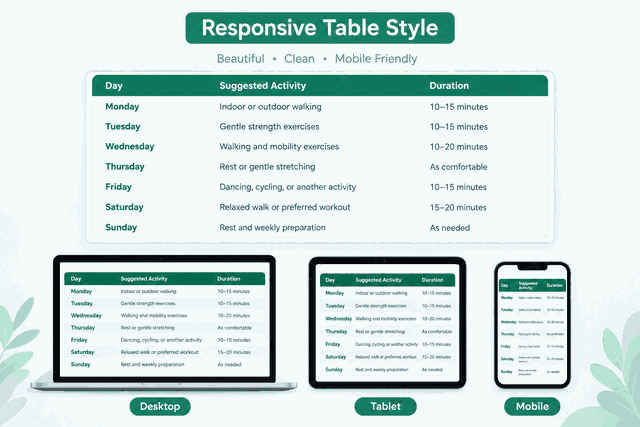
If you are unsure how to begin, the following example offers a flexible starting point. Adjust the activities and duration to your fitness level, available time, and any advice you have received from a healthcare professional.
| Day | Suggested activity | Starting duration |
|---|---|---|
| Monday | Indoor walking or an easy outdoor walk | 10–15 minutes |
| Tuesday | Gentle strength exercises | 10–15 minutes |
| Wednesday | Walking and comfortable mobility exercises | 10–20 minutes |
| Thursday | Rest or gentle stretching | As comfortable |
| Friday | Dancing, cycling, or another enjoyable activity | 10–15 minutes |
| Saturday | A relaxed walk or a preferred fitness activity | 15–20 minutes |
| Sunday | Rest and prepare for the coming week | As needed |
This is an example rather than a prescribed exercise program. Start at a comfortable level and build up gradually. If you are new to exercise, have a chronic health condition, or have been inactive for a long time, seek professional guidance when needed.
How Much Exercise Should You Aim for During Winter?
Winter does not change the general physical activity recommendations for adults. The World Health Organization recommends that adults aim for 150–300 minutes of moderate-intensity aerobic activity, or 75–150 minutes of vigorous-intensity aerobic activity, each week, or an equivalent combination.
Adults should also include muscle-strengthening activities involving the major muscle groups on two or more days each week. These are longer-term targets, not requirements that every beginner must achieve immediately.
Start with what is manageable and increase activity progressively. Some movement is generally better than none, and short sessions can contribute to your overall activity.
Individual needs vary according to age, fitness, disability, pregnancy, and medical circumstances. Choose activities that are appropriate for you and seek personalized advice if necessary.
Frequently Asked Questions
Why do I lose motivation to exercise in winter?
Cold weather, reduced daylight, changes in routine, and competing responsibilities can make exercise less convenient. Choosing shorter workouts, moving indoors, and setting a regular schedule can help you overcome these practical barriers.
How can I exercise when it is too cold outside?
Try indoor walking, marching in place, bodyweight exercises, dancing, yoga, or a beginner-friendly workout video. You can also divide activity into shorter sessions that fit your day.
Is it better to exercise in the morning or evening during winter?
Neither time is best for everyone. Morning exercise may suit people who prefer to finish activity early, while evening or lunchtime workouts may be more convenient for others. Choose a time you can maintain without sacrificing sleep or safety.
Can a short workout still be worthwhile?
Yes. Short workouts can help you build a routine and contribute to your overall physical activity. As your fitness improves, you can gradually extend your sessions when appropriate.
How do I stay consistent if I miss a workout?
Avoid trying to compensate with an exhausting session. Return to your normal routine when practical and consider why the workout was missed. Adjusting the time, duration, or location may make your plan easier to follow next time.
Should I exercise outdoors during extreme winter weather?
Not necessarily. Extreme cold, icy surfaces, strong winds, and poor visibility can increase risks. Check local conditions and choose a safe indoor alternative when needed.
Final Thoughts
Staying motivated to exercise during winter is less about forcing yourself to feel enthusiastic every day and more about building habits that work in real life. Small goals, enjoyable activities, a convenient indoor option, and a flexible schedule can all make regular movement easier.
Remember that your routine does not need to be perfect. Some days you may complete a full workout, while on other days a short walk or gentle movement may be more realistic. What matters is finding a sustainable approach that supports your health and fits your circumstances.
Start with one manageable activity this week, prepare for bad weather, and build gradually as your confidence grows. With a little planning and patience, you can maintain an active lifestyle throughout winter and beyond.
Sources and Further Reading
When winter arrives, even people who usually enjoy exercise can find it difficult to maintain their routines. Shorter days, chilly mornings, rainy weather, and the temptation to stay under a warm blanket can make a workout feel like the last thing anyone wants to do.
The good news is that staying active during winter does not require extraordinary willpower or a fully equipped gym. A realistic plan, a comfortable exercise space, and a few small changes to daily habits can make physical activity easier to maintain.
Fitness professionals commonly emphasize consistency, achievable goals, and activities that people enjoy. These principles are especially useful when cold weather makes exercise less appealing. Here are practical ways to stay motivated and keep moving throughout the winter season.
Why Is It Harder to Exercise During Winter?
Winter can change everyday routines in several ways. Cold temperatures may make outdoor activities less comfortable, while reduced daylight can leave people with fewer convenient opportunities to walk, run, or cycle outside.
Busy work schedules, holiday commitments, and changes in sleep patterns can also interfere with regular exercise. Some people simply prefer staying indoors when the weather is unpleasant.
These challenges do not mean that motivation has disappeared permanently. Often, the solution is to make exercise more convenient and less demanding rather than relying on motivation alone.
1. Set Small and Realistic Fitness Goals
One of the simplest ways to stay motivated during winter is to start with a goal that feels manageable. Planning an intense workout every day may sound ambitious, but it can become difficult to maintain when temperatures drop and daily responsibilities pile up.
Instead, choose a target that fits your current fitness level and schedule. You might begin with a 10-minute walk, a short home workout, or a few minutes of gentle stretching.
Once the habit becomes more familiar, gradually increase the duration or intensity if it feels comfortable. Smaller goals make it easier to get started and give you opportunities to recognize your progress.
How to Make Your Goals Achievable
- Choose a realistic number of workout days each week.
- Start with short sessions instead of demanding long workouts.
- Focus on regular participation rather than perfection.
- Adjust your plan when work, family, or weather changes your schedule.
2. Create a Comfortable Indoor Workout Space
You do not need a gym membership to stay active during winter. A small, uncluttered area at home can be enough for many basic exercises. Having a convenient place to move can remove one of the biggest obstacles to working out in cold weather.
Depending on your ability and available space, an indoor routine could include marching in place, bodyweight squats, wall push-ups, step-ups on a suitable stable step, or gentle mobility exercises. A resistance band or exercise mat can also be useful, but neither is essential for getting started.
Keep your exercise clothes somewhere easy to reach and prepare your workout area before your planned session. When everything is ready, you have fewer decisions to make at the moment you need to begin.
If you live in a small apartment, try walking indoors, following a beginner-friendly exercise video, or dividing activity into shorter sessions throughout the day.
3. Schedule Your Workouts Like Important Appointments
Waiting until you feel motivated can make exercise unpredictable. A more reliable approach is to decide in advance when and where you will be active.
For example, you could schedule a short workout after breakfast, take a brisk walk during your lunch break, or stretch after finishing work. Choose a time that works with your normal routine rather than copying someone else's schedule.
It can help to connect exercise with an existing habit. After brushing your teeth in the morning, for instance, you might spend five minutes doing gentle mobility exercises. Over time, this connection can make starting feel more natural.
If an unexpected commitment interrupts your plan, move the session to another convenient time instead of treating the entire day as a failure.
4. Choose Activities You Actually Enjoy
Exercise is easier to repeat when it feels rewarding rather than like a punishment. If running outdoors in freezing weather makes you miserable, there is no need to make it the center of your winter fitness plan.
Consider alternatives such as dancing, indoor cycling, swimming in a suitable indoor pool, yoga, strength training, or walking around an indoor space. You can also alternate between different activities to keep your routine interesting.
Music, an engaging podcast, or a workout video can make a session more enjoyable. Just make sure that entertainment does not distract you from your surroundings or compromise safety.
The best winter workout is one that matches your abilities, fits your circumstances, and is enjoyable enough to repeat.
5. Use the Right Clothing for Outdoor Exercise
If you prefer walking, jogging, or cycling outside, suitable clothing can make cold-weather exercise more comfortable. Dressing in layers allows you to adjust what you wear as your body warms up.
A moisture-wicking base layer, an insulating middle layer, and a weather-resistant outer layer may be useful depending on the conditions. A hat, gloves, and appropriate footwear can also help protect exposed areas and improve comfort.
Check the forecast before leaving home. Wind, rain, ice, and unusually low temperatures can change how safe an outdoor workout will be.
If conditions are dangerous or visibility is poor, move your workout indoors. Wear visible or reflective clothing when exercising near traffic in low-light conditions, and choose routes with safe, well-maintained surfaces.
6. Find a Workout Partner or Join a Fitness Community
Exercising with another person can provide encouragement and make workouts feel more social. A friend, family member, or colleague may help you stick to a planned session when you are tempted to skip it.
You could arrange regular walks, attend a fitness class, or check in with a workout partner a few times each week. If exercising together in person is not practical, an online fitness community may offer a similar sense of connection.
Try to choose a partner whose goals and abilities are reasonably compatible with yours. The purpose is to support one another, not to compete over speed, strength, or the number of calories burned.
7. Track Your Progress Without Becoming Obsessed With Numbers
Recording your activity can help you notice improvements that might otherwise go unnoticed. A simple calendar, notebook, or fitness app can show how regularly you exercise over time.
Track practical measures such as the number of sessions completed, walking time, distance covered, or how comfortable a particular activity feels. You might also note improvements in balance, stamina, or your ability to complete everyday tasks.
Avoid judging your success entirely by body weight, appearance, or calorie estimates. Fitness progress can take many forms, and daily measurements do not always reflect meaningful changes in health or ability.
If you miss a session, simply return to your routine when you can. A missed workout is a normal part of life, not proof that your efforts have failed.
8. Make Morning Workouts Easier to Start
Dark, cold mornings can make leaving a warm bed particularly difficult. If morning exercise suits your schedule, a little preparation the night before can reduce the temptation to delay.
- Lay out your workout clothes before going to bed.
- Choose your exercises in advance.
- Place your shoes and other equipment somewhere visible.
- Allow enough time for sleep and recovery.
- Begin with a gentle warm-up instead of immediately attempting intense exercise.
You do not have to exercise early to stay fit. If evenings or lunchtime work better for you, choose those times instead. Consistency matters more than following a particular time of day.
9. Warm Up Properly Before Increasing Your Intensity
A warm-up is especially useful when you are exercising in cold conditions or starting a session after sitting for a long time. It helps you transition gradually from rest to more demanding movement.
Start with several minutes of easy movement, such as walking slowly, marching in place, or moving your arms and legs through a comfortable range of motion. Then gradually increase your pace if the activity calls for it.
Avoid beginning with sudden, strenuous movements when your body is not prepared. If you experience chest pain, faintness, unusual shortness of breath, or other concerning symptoms, stop exercising and seek appropriate medical advice.
10. Support Your Routine With Sleep, Food, and Hydration
Exercise is only one part of a sustainable fitness routine. Adequate sleep, balanced meals, and regular fluid intake can support energy levels and recovery.
Adults generally benefit from seven to nine hours of sleep each night, although individual needs vary. Try to maintain a reasonably consistent sleep schedule so that tiredness does not become a regular obstacle to activity.
Eat a varied diet that includes vegetables, fruits, whole grains, protein-rich foods, and other foods that meet your nutritional needs. Drink water regularly, even when cold weather makes you feel less thirsty.
For longer outdoor sessions, pay attention to weather conditions and your body's signals. If you are exercising in cold weather, suitable clothing and adequate fluids remain important even when you are not sweating heavily.
11. Take Advantage of Daylight When Possible
Shorter winter days can make outdoor activity harder to fit into a busy schedule. When practical, use daylight hours for a walk or another outdoor activity that you enjoy.
A lunchtime walk may be easier to maintain than trying to exercise before sunrise or after dark. Spending time outdoors during daylight can also provide a change of scenery and a break from indoor responsibilities.
However, outdoor exercise is not essential. If daylight hours conflict with your work or family commitments, an indoor workout is a perfectly reasonable alternative.
If low mood, loss of interest, or persistent fatigue continues to affect your daily life during winter, consider speaking with a qualified healthcare professional rather than assuming that a lack of motivation is the only explanation.
12. Have a Backup Plan for Bad Weather
Even a well-planned fitness routine can be interrupted by heavy rain, icy paths, extreme cold, or an unexpected change in schedule. Having an alternative ready makes it easier to stay active without forcing yourself into unsafe conditions.
For example, replace an outdoor walk with indoor marching, a short bodyweight routine, or gentle stretching. If you normally cycle outdoors, consider an indoor cycling session or another activity that suits your fitness level.
A backup workout does not need to match the duration or intensity of your original plan. Its purpose is to provide a practical alternative when circumstances change.
A Simple Winter Exercise Plan for Beginners
If you are unsure how to begin, the following example offers a flexible starting point. Adjust the activities and duration to your fitness level, available time, and any advice you have received from a healthcare professional.
| Day | Suggested activity | Starting duration |
|---|---|---|
| Monday | Indoor walking or an easy outdoor walk | 10–15 minutes |
| Tuesday | Gentle strength exercises | 10–15 minutes |
| Wednesday | Walking and comfortable mobility exercises | 10–20 minutes |
| Thursday | Rest or gentle stretching | As comfortable |
| Friday | Dancing, cycling, or another enjoyable activity | 10–15 minutes |
| Saturday | A relaxed walk or a preferred fitness activity | 15–20 minutes |
| Sunday | Rest and prepare for the coming week | As needed |
This is an example rather than a prescribed exercise program. Start at a comfortable level and build up gradually. If you are new to exercise, have a chronic health condition, or have been inactive for a long time, seek professional guidance when needed.
How Much Exercise Should You Aim for During Winter?
Winter does not change the general physical activity recommendations for adults. The World Health Organization recommends that adults aim for 150–300 minutes of moderate-intensity aerobic activity, or 75–150 minutes of vigorous-intensity aerobic activity, each week, or an equivalent combination.
Adults should also include muscle-strengthening activities involving the major muscle groups on two or more days each week. These are longer-term targets, not requirements that every beginner must achieve immediately.
Start with what is manageable and increase activity progressively. Some movement is generally better than none, and short sessions can contribute to your overall activity.
Individual needs vary according to age, fitness, disability, pregnancy, and medical circumstances. Choose activities that are appropriate for you and seek personalized advice if necessary.
Frequently Asked Questions
Why do I lose motivation to exercise in winter?
Cold weather, reduced daylight, changes in routine, and competing responsibilities can make exercise less convenient. Choosing shorter workouts, moving indoors, and setting a regular schedule can help you overcome these practical barriers.
How can I exercise when it is too cold outside?
Try indoor walking, marching in place, bodyweight exercises, dancing, yoga, or a beginner-friendly workout video. You can also divide activity into shorter sessions that fit your day.
Is it better to exercise in the morning or evening during winter?
Neither time is best for everyone. Morning exercise may suit people who prefer to finish activity early, while evening or lunchtime workouts may be more convenient for others. Choose a time you can maintain without sacrificing sleep or safety.
Can a short workout still be worthwhile?
Yes. Short workouts can help you build a routine and contribute to your overall physical activity. As your fitness improves, you can gradually extend your sessions when appropriate.
How do I stay consistent if I miss a workout?
Avoid trying to compensate with an exhausting session. Return to your normal routine when practical and consider why the workout was missed. Adjusting the time, duration, or location may make your plan easier to follow next time.
Should I exercise outdoors during extreme winter weather?
Not necessarily. Extreme cold, icy surfaces, strong winds, and poor visibility can increase risks. Check local conditions and choose a safe indoor alternative when needed.
- Experts Explain How to Stay Motivated to Exercise During Winter
-
 Health - 11:24:38pm 30-10-2026

- How to Create an Effective Home Workout Routine: A Complete Beginner's Guide
-
Health - 10:50:24am 27-10-2026
-
 Home Workouts
How to Start Exercising at Home Without Going to the Gym
-
Home Workouts
How to Create an Effective Home Workout Routine: A Complete Beginner's Guide
-
 All Technology 2026
Popular Diagnostic Mymensingh Doctor List, Address and Appointment Information
-
 All Technology 2026
Dr Kamal Mostofa Faridpur: Skin and Dermatology Specialist Guide
-
 Home Workouts
Best Morning Home Workout Routine for Beginners: Easy Exercises to Start Your Day